Indawgyi Lake Pagoda Festival
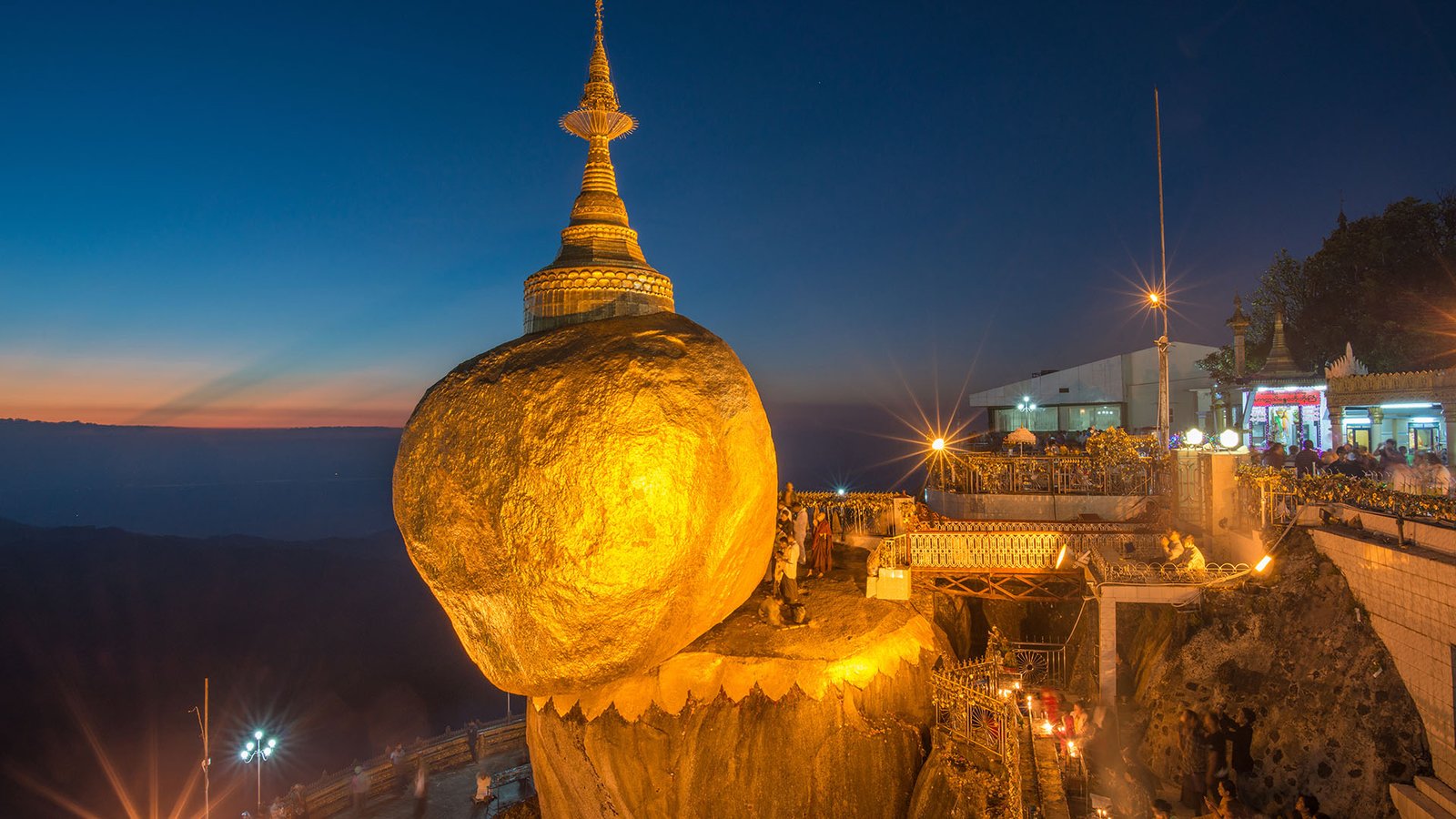
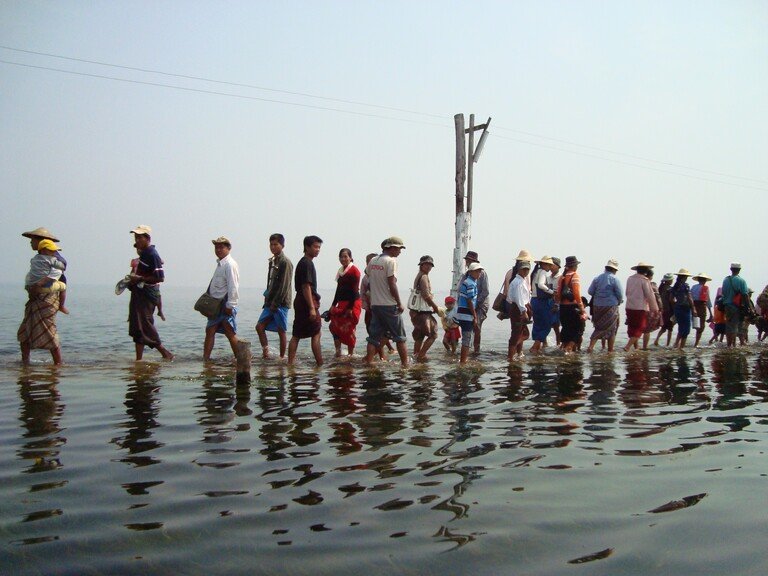
Located in the center of the lake, the pagodas are lined with mysterious paths that appear to float on the surface of the water! Myanmar’s largest pagoda, Indawgyi, holds a pagoda festival on the full moon in March!
It’s truly amazing how a town of several thousand people suddenly appears on the shores of a deserted lake!
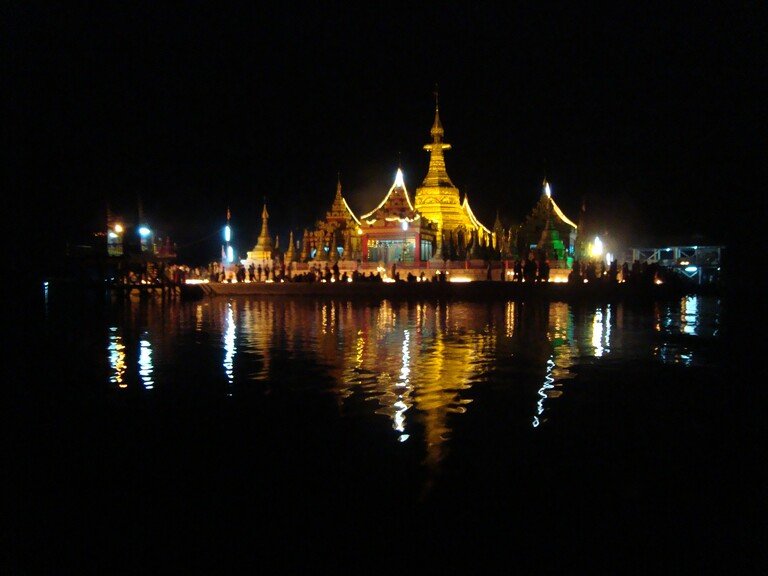
Shwemyinzu Pagoda floating in the center of Indawgyi Lake
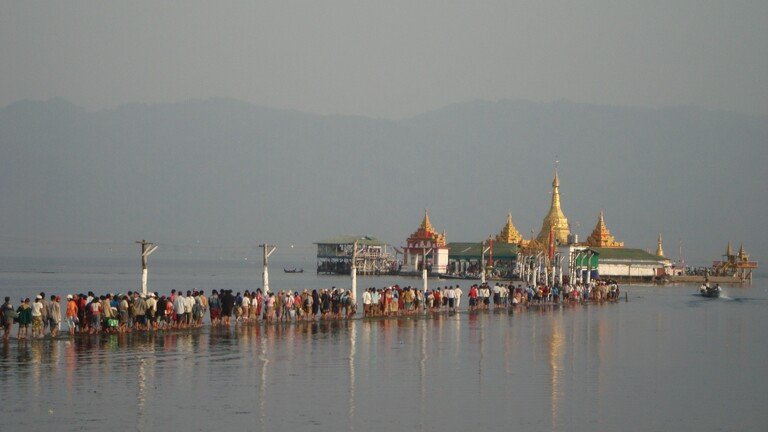
Located in Kachin State, Myanmar’s northernmost region, Indo-gyi Lake is the largest lake in Myanmar, measuring 25.6 kilometers long, 12.8 kilometers wide, and covering 160 square kilometers. High mountain ranges surround the lake, and the water flows down a steep valley into the lake. It is 212 meters above sea level and 36 meters deep at its deepest. Shwe Myint Thu Pagoda, located in the middle of the lake, was completed on July 1, 1869. Shwe Myint Thu Pagoda is usually reached by boat from the lakeside. However, during the annual Pagoda Festival, held for eight days during the full moon from mid-March, a 0.8-kilometer brick path emerges from the water from the lakeside to the base of the pagoda. The path is only visible during the festival; afterward, the pagoda itself disappears into the lake, leaving only the pagoda floating silently in the middle of the lake. It is truly a mystical sight.
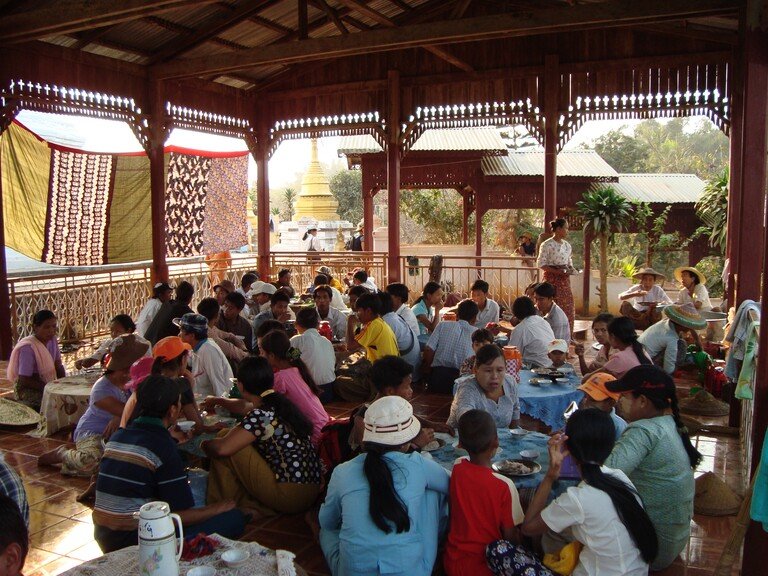
Therefore, to attend the festival, all you need to do is follow this one road. A town of several thousand people suddenly appears on the deserted lakeside. During the festival, a row of simple guesthouses line the streets, along with restaurants, souvenir shops, flower shops, markets selling vegetables, fruits, and daily necessities, festivals, games, karaoke, and other entertainment facilities, turning the area into a tourist attraction. Speedboats and fishing boats head out from the opposite shore to the lake for the pagoda festival, and the land route is filled with vehicles and people. After visiting the enshrined spirit Nut and the pagoda, many women can be seen bathing and washing clothes on the lakeside.
Seagulls fly wildly above the water boat! Children swim and women enjoy bathing! Walking along a path that appears on the water surface.
The legend of Shwe Myintzu Pagoda on Indawgyi LakeAn 80-year-old woman from the Bhamo region who visits the lake every year tells the following story. She recalls a night she spent here with friends when she was young. Traveling in a caravan with many oxcarts was a lot of fun, with everyone singing, dancing, and joking along the way. That night, she and a good friend decided to camp out, and fell asleep in a vacant lot with the caravan. The full moon shone brightly and beautifully against the starry sky. She woke to the hustle and bustle of the festival. Looking around, she saw revelers drinking, singing, and enjoying the food from the stalls. She also ate a sumptuous feast and had a great time. Then she fell asleep again. When she woke up, the hustle and bustle from moments before was gone, and everything had disappeared. It was a mystery how everything could have disappeared in such a short space of time. She told her friends about it, but they were simply amazed and no one believed her. Perhaps her guardian spirit had invited her to the festival that night.
How to get to Indowgyi Lake
Season: 8 days from mid-March every year when the full moon begins.
Departure location: In front of Ho Pin Station on the Mandalay/Myitkyina Line.
Departure time: From 7:00 AM, as soon as all passengers have gathered.
: From Hopin, mountain peaks spread out before us, and once we crossed the mountains, we arrived at Lake Indawgyi. The road was paved, but still, billowing with dust. Along the way, we passed idyllic countryside, with farmers on their way to work in oxcarts and herds of water buffalo playing. Chickens hopped about on the eaves of farmhouses, and theoccasional pig popped out.
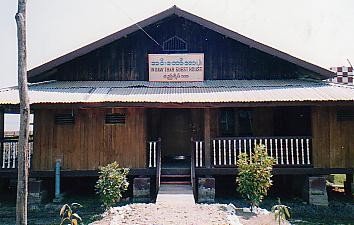
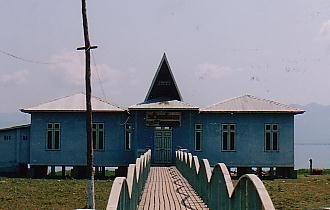
Indotar2 Guesthouse
After about an hour of driving, we entered the mountain road and crossed the mountains. From an observation deck, the beautiful and mysterious Lake Indawgyi appeared below us. There were several rivers, crossed by bridges. The mountains were dominated by teak, bamboo, and tall trees, and after about 30 minutes of crossing the mountains, we entered the villages. There were four villages before Lake Indawgyi, and in the second village, Mynaung, we saw impressive piles of winter firewood in front of each house. This area is in northern Myanmar, so even in summer, mornings and evenings are chilly. During the day, the temperature rises rapidly, making it feel like summer. Next was Mamoukhine, with its pagoda and teak piles. We arrived at Lontong village at 10:40. The next stop was Lake Indawgyi, our final destination. Lake Indawgyi was already visible, spreading out leisurely to the right of our direction. There was a guesthouse for foreigners in Lontong, and a sign was visible. To the left of it, there was a military base with soldiers stationed.
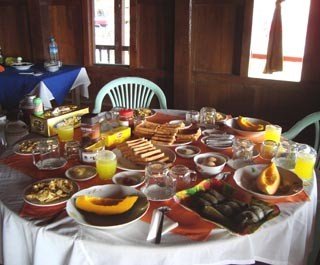
The sign says $20 including breakfast, and there are three rooms, one for two people. The facilities are very good, the dining room is nice, with a TV, table set, sofa set, etc., and the young soldiers can speak English. Next to this guesthouse is Mya Sanda Restaurant, and three doors down from the restaurant is Indaw maha Guesthouse.
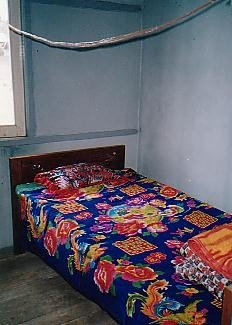
Indaw Maha Guesthouse
There are 8-bed rooms. At 2:30 pm, we boarded a speedboat and set off across Indawgyi Lake. It took about 25 minutes to reach the floating pagoda. As the boat cruised comfortably across the water, seagulls flew about, just like on Inle Lake. Our hearts pounded with anticipation of what kind of festivals we would see. An 800-meter road leads to the pagoda from the land on the lakeside. During the rainy season, which lasts for six months from May to October, the lake floods and the road is submerged, so it is said that it is only possible to walk there during the pagoda festival in the dry season.
During the festival period, the road is crammed with people, walking across the street. Thousands of people! Near the boat dock, many Myanmar people are bathing. Women in particular are washing their faces and hair with plenty of soap. Children are swimming. All the women are in the water wearing longyi, and since swimsuits are not a thing here, they are wearing their usual Myanmar summer attire. It’s best to think of this festival as a hot spring, like in Japan. Unlike Japanese hot springs, here people enter the lake, bathe, and wash in the water. Of course, the same goes for men, some use makeshift shower stalls built along the shore, others simply bathe in the lake. You could also say that they are purifying themselves before visiting the pagoda. Hundreds of thatched, hastily constructed guesthouses stand along the lakeside, and families and relatives can stay in one. Mats and blankets are piled up inside, and 15-20 people sleep here, similar to a Japanese inn. Restaurants, coffee shops, gift shops, fruit and vegetable stalls, souvenir shops, and more line the streets, and you can even enjoy karaoke. This town, which suddenly appeared just for the Pagoda Festival, has great significance.
A pagoda built by a Japanese person adds a touch of elegance to the area. It takes two days and nights by train and bus from Yangon to Indawgyi Lake, arriving on the third day. Alternatively, you can fly from Yangon to Myitkyina via Mandalay, which takes two and a half to three hours, and then drive to Indawgyi Lake, which makes it a one-day trip. However, with enough time to see one of Myanmar’s largest annual festivals, it’s best to take it easy and enjoy the true joy of traveling. The festival takes place over eight days, starting during the full moon in mid-March, during which time good men and women stroll along an 800-meter road paved with bricks that rise from the lake’s surface. Upon arrival at the pagoda, you will be enchanted by the scenic views and the joy of being in the heart of this mystical lake, the largest in Myanmar, and a pleasant night here will guarantee you wonderful memories to last a lifetime.